
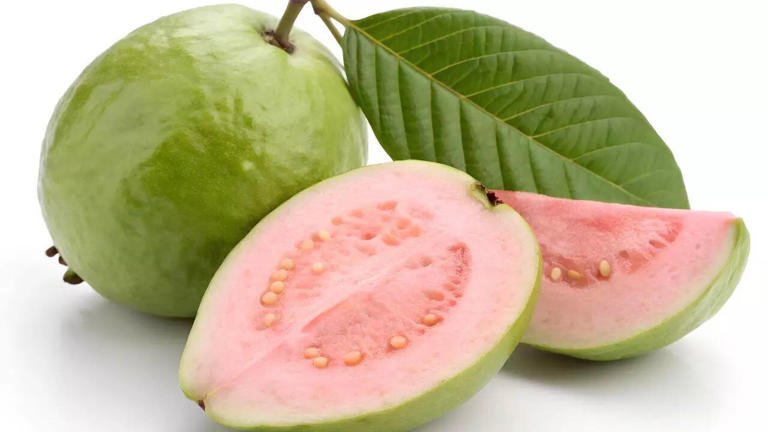
4 Types of People Who Should Avoid Eating Guava: Know Its Side Effects and Risks
Guava is widely known as a nutrient-rich superfruit, packed with vitamin C, fiber, antioxidants, and essential minerals. While it offers several health benefits, guava is not suitable for everyone. In some cases, consuming guava may lead to digestive issues or worsen existing health conditions.
Let’s explore four types of people who should avoid or limit guava intake, along with the possible side effects and health risks.
1. People with Sensitive Digestive Systems
Guava contains a high amount of dietary fiber, especially when eaten with the skin and seeds. While fiber is generally beneficial, it can be problematic for people with sensitive digestion.
Possible Side Effects:
- Bloating and gas
- Stomach cramps
- Constipation or loose stools
- Indigestion
👉 Who should be cautious?
People suffering from IBS (Irritable Bowel Syndrome), gastritis, or chronic digestive discomfort should limit guava intake or consume it in small portions.
2. People with Cold, Cough, or Respiratory Issues
According to traditional beliefs and Ayurvedic principles, guava—especially when eaten raw or at night—can increase mucus production.
Possible Side Effects:
- Worsening cold and cough
- Throat irritation
- Increased phlegm
👉 Who should avoid it?
Individuals experiencing cold, sinus issues, asthma, or chest congestion should avoid guava during illness, particularly at night.
3. Diabetic Patients (Without Portion Control)
Although guava has a low glycemic index, overeating it can still affect blood sugar levels due to its natural sugar content.
Possible Side Effects:
- Sudden blood sugar fluctuations
- Difficulty maintaining glucose control
👉 Important note:
Diabetic patients can eat guava, but only in moderate portions and preferably after consulting a healthcare professional.
4. People Recovering from Surgery or with Open Wounds
Guava seeds are hard to digest and may cause internal irritation, especially for people recovering from surgery or dealing with internal wounds.
Possible Side Effects:
- Abdominal discomfort
- Slower healing process
- Digestive strain
👉 Who should avoid it?
Patients recovering from abdominal surgery, ulcers, or intestinal issues should avoid guava until fully healed.
Additional Side Effects of Excess Guava Consumption
Even for healthy individuals, overeating guava may cause:
- Constipation
- Tooth sensitivity (due to acidity)
- Stomach pain
- Nausea
How to Eat Guava Safely
✔ Eat in moderation
✔ Avoid eating at night
✔ Remove seeds if digestion is weak
✔ Pair with other foods instead of eating on an empty stomach
Final Thoughts
Guava is undoubtedly a healthy fruit, but one size does not fit all when it comes to nutrition. Understanding your body type and health condition is essential before including guava in your daily diet.
If you experience discomfort after eating guava, it’s best to reduce intake or consult a healthcare professional.
